
Mero Padhai is a digital learning platform specializing in online study and academic materials. It provides curriculum-based educational resources for students studying in schools, colleges, and universities in Nepal, making learning easy and convenient for students through quality learning tools and resources.
Despite being a leading educational provider, Mero Padhai faced challenges with its reliance on Digital Ocean. These challenges limited the organization’s ability to deliver high-quality content and reliable and scalable services.
TekBay, a leader in cloud solutions, partnered with Mero Padhai to redesign its infrastructure on AWS, providing a scalable, secure, and cost-effective solution.
Key Challenges: Legacy Infrastructure Limitations
Before migrating to AWS, Mero Padhai encountered significant infrastructure challenges that hindered operational efficiency and service delivery. These challenges included:
1. Monolithic Architecture
A fragmented approach across multiple Digital Ocean accounts made it difficult to effectively manage environments (Development, Testing, Production), resulting in inefficiency, higher costs, and potential downtime.
Take a Leap into Innovation: Ten Essential Steps to Modernize Legacy Monoliths in the AWS Cloud
2. Lack of Advanced Security Features
Limited security measures exposed the infrastructure to potential threats, creating vulnerabilities that could compromise sensitive educational data.
3. Operational Bottlenecks
Hosting numerous applications on legacy systems caused performance degradation and frequent outages, undermining the user experience.
4. Environment Management Issues
Maintaining separate Digital Ocean accounts and handling shared or split databases for different projects led to complex CI/CD processes, making it harder to scale or troubleshoot effectively.
These issues collectively impacted Mero Padhai’s ability to deliver seamless and reliable learning services, prompting a need for strategic transformation.
TekBay’s Solution: AWS-Powered Transformation
To address these challenges, TekBay proposed a comprehensive re-architecture of Mero Padhai’s infrastructure, transitioning from a fragmented, multi-account setup to a secure, scalable architecture on AWS.
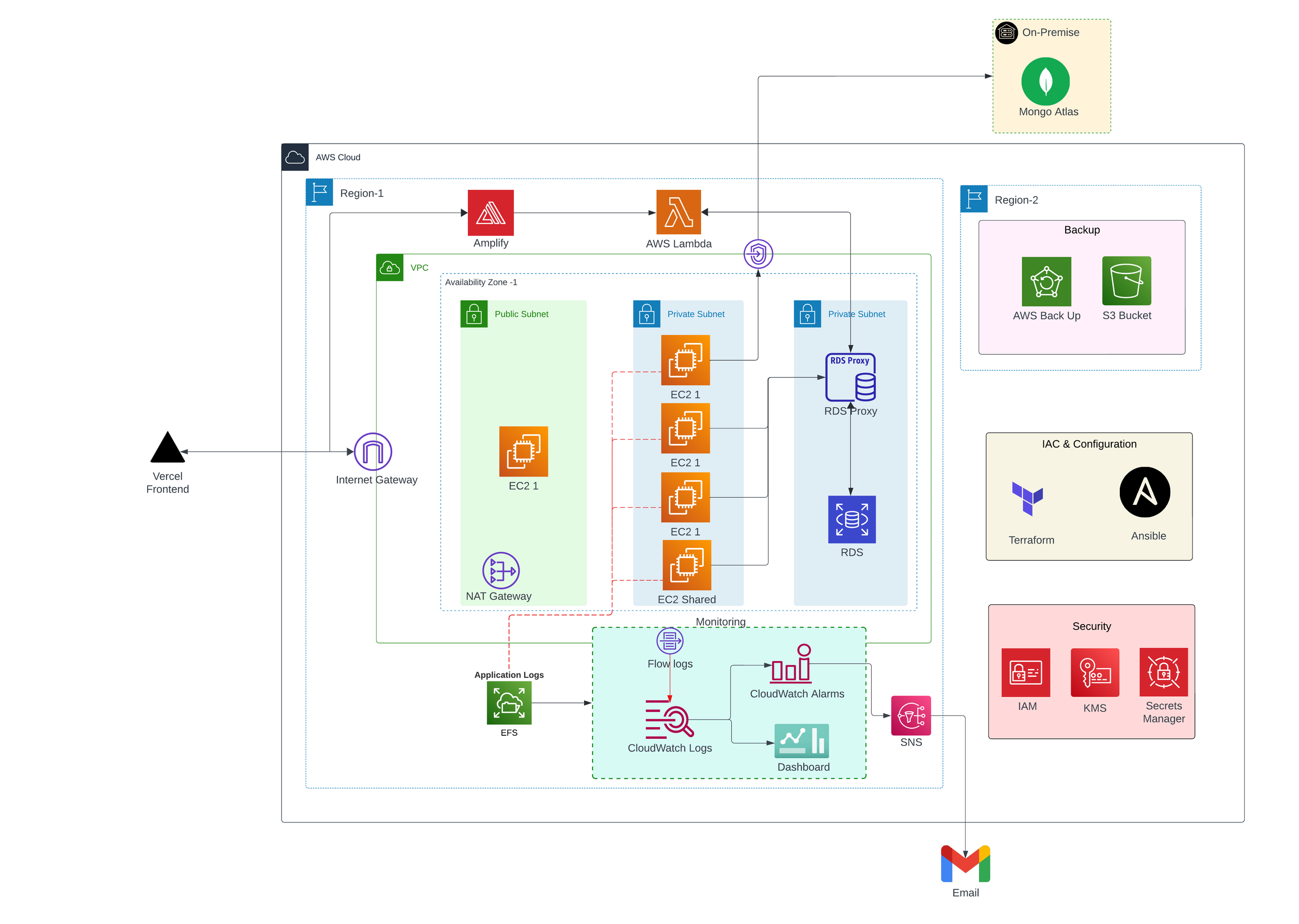
This transformation leveraged DevOps best practices, enabling automated deployments, streamlined infrastructure management, and enhanced scalability on AWS.
A Success Case Study: How ‘mySecondTeacher,’ an E-learning Platform Achieved Cost-Efficiency with Cloud Optimization
Key Components of the Solution
1. Three-Tier Architecture:
- Frontend Layer: Deployed with AWS Amplify and Vercel for efficient, globally accessible user interfaces.
- Backend Layer: Hosted on private subnets within Amazon EC2 clusters (or AWS Lambda for serverless functions), ensuring controlled access and simplified scaling.
- Database Layer: Utilized Amazon RDS with RDS Proxy in private subnets for better performance, security, and scalability.
2. AWS Services Leveraged:
- VPC (Virtual Private Cloud): Provided secure and isolated cloud networking.
- EC2: Offered scalable compute resources to handle dynamic workloads efficiently.
- S3 & AWS Backup: Ensured secure, durable storage for static assets and backups.
- Load Balancers: Managed traffic distribution to optimize performance and fault tolerance.
- RDS: Deployed as a managed database in private subnets, reducing operational overhead.
- Secrets Manager: Secured sensitive credentials (e.g., database connections).
3. Automation & Configuration Tools:
- Terraform: Employed as Infrastructure as Code (IaC) to automate resource provisioning and lifecycle management.
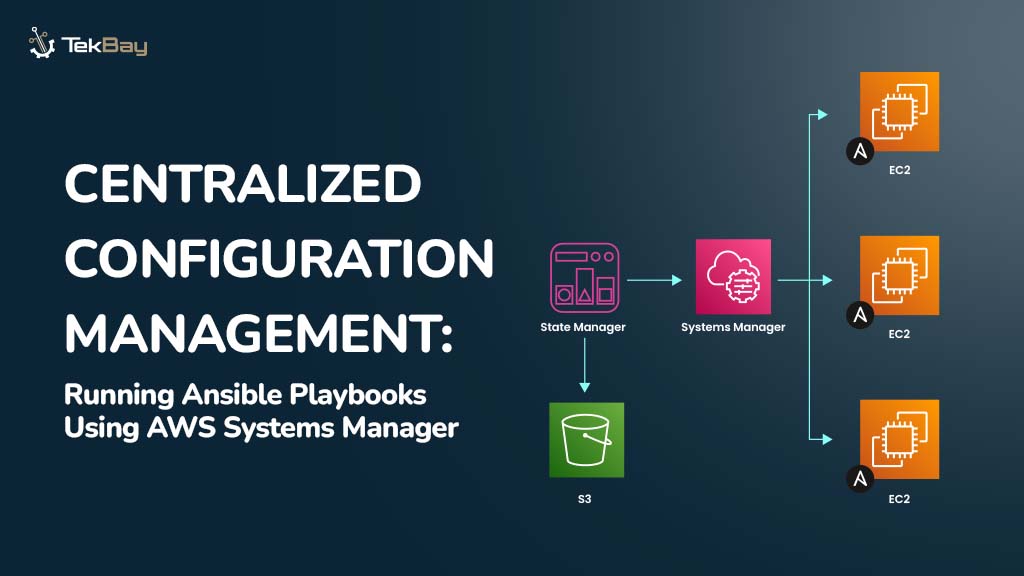
- Ansible: Handled consistent application configurations and deployments across EC2 instances.
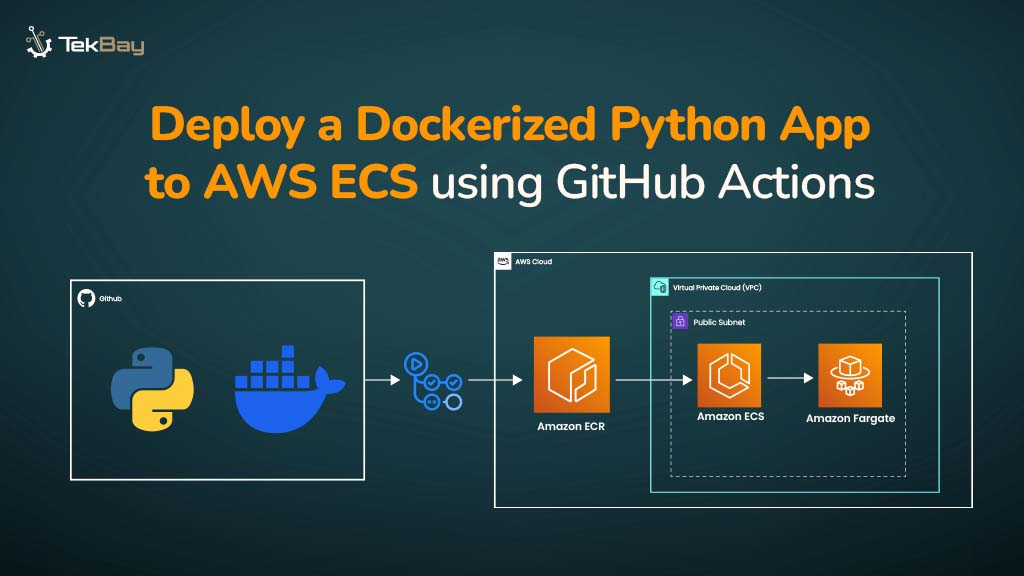
- CI/CD Pipelines: Automated infrastructure and application deployments through GitHub Actions, minimizing manual intervention and errors.
4. Security Enhancements:
- AWS WAF: Used to mitigate common web vulnerabilities.
- IAM Roles: Enforced least-privilege access for enhanced security.
- Encryption: AWS KMS provided data encryption at rest, safeguarding student and course data.
Benefits of AWS Cloud Transformation for Mero Padhai
1. Accelerated Development and Deployment:
- Automated CI/CD pipelines enabled rapid deployments, reducing lead times for new feature releases.
- Support for frequent updates (e.g., 5–10 deployments per week) improved responsiveness to user feedback.
2. Enhanced Security:
- Robust security measures, including AWS WAF and IAM best practices, minimized risks and protected sensitive educational data.
Ready to Secure your AWS Infrastructure? Check out this walkthrough of cloud security best practices.
3. Improved Operational Efficiency:
- Streamlined workflows and automated processes allowed teams to fix issues faster, increasing overall reliability.
- Consolidating environments and adopting managed services reduced complexity and manual oversight.
4. Flexibility and Agility:
- AWS provided on-demand scalability, accommodating traffic spikes during peak enrollment periods or major course launches.
- Serverless options (e.g., Lambda) offered cost-effectiveness and straightforward scaling for select microservices.
5. Developer Productivity:
- Automation in deployments and resource provisioning freed developers to concentrate on content quality and platform innovations rather than routine maintenance.
Results
- Rapid Deployment: Changes to the platform were deployed to production in under 10 minutes, accelerating development cycles and improving responsiveness to learner needs.
- Increased Deployment Frequency: CI/CD pipelines facilitated 5–10 weekly production deployments, ensuring timely updates and continuous improvements in the user experience.
- Improved Stability: The environment maintained a high Mean Time Between Failures (MTBF), reflecting enhanced reliability and fewer unplanned outages.
- Faster Recovery: A reduced Mean Time to Recover (MTTR) of 10–15 minutes minimized downtime, keeping educational content consistently available to learners.
Also Read: How Investiaa Modernized Its Infrastructure With AWS and GitHub Actions
Conclusion
Mero Padhai’s migration to AWS, facilitated by TekBay, transformed its infrastructure into a scalable, secure, and efficient system.
By addressing legacy challenges and adopting modern practices like CI/CD and Infrastructure as Code, Mero Padhai significantly improved performance, security, and operational efficiency.
This strategic move positions the company for sustainable growth and innovation in the evolving digital education landscape.
Looking to optimize your cloud infrastructure? Our DevOps experts can help you automate deployments, enhance scalability, and drive innovation. Contact us for cutting-edge DevOps outsourcing solutions.